Recopilación y gestión de datos
Privacidad de datos y cumplimiento de exportación
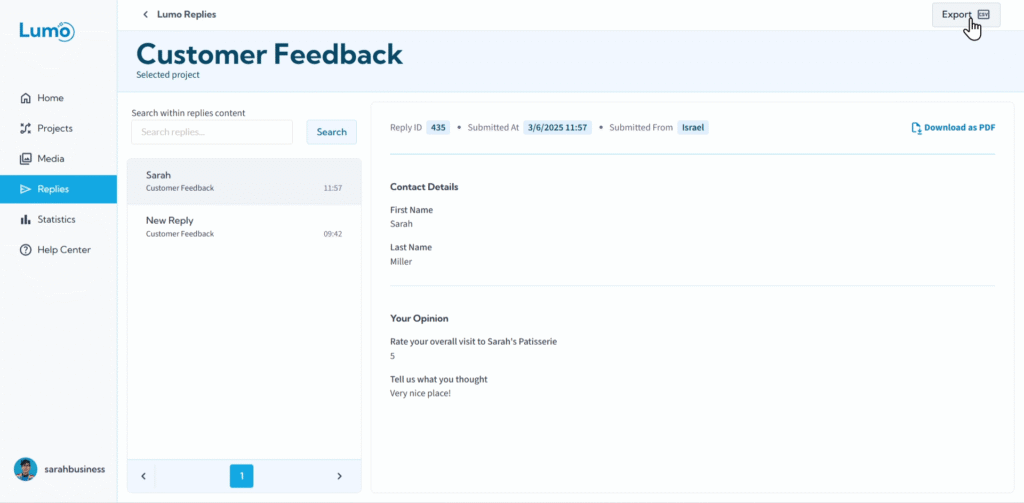
En el panorama digital actual, la privacidad del usuario es primordial. Como usuario de LumoPages, se le confía información sensible recopilada a través de sus formularios. Aunque LumoPages se compromete a proteger los datos dentro de nuestra plataforma según nuestra Política de Privacidad, es igualmente crucial que comprenda sus responsabilidades al manejar, especialmente al exportar, datos de usuarios.
Esta guía describe consideraciones clave sobre privacidad de datos y cumplimiento cuando gestiona y exporta respuestas de sus Lumos. Es vital asegurar que sus prácticas se alineen con las regulaciones de protección de datos relevantes y sus propios compromisos de privacidad.
El compromiso de LumoPages con sus datos
LumoPages se toma en serio la seguridad y privacidad de los datos. Almacenamos sus respuestas recopiladas de forma segura en nuestros sistemas y cumplimos con nuestra Política de Privacidad integral. Esta política detalla cómo recopilamos, usamos, almacenamos y protegemos los datos que gestiona en nuestra plataforma.
Su responsabilidad: privacidad de datos más allá de LumoPages
Cuando exporta datos de LumoPages (ya sea como CSV, PDF o mediante webhooks), toma posesión de esos datos y su manejo queda bajo sus propias obligaciones de privacidad. Es crítico comprender y cumplir con las leyes y regulaciones de protección de datos aplicables, como:
- GDPR (General Data Protection Regulation): Para datos relacionados con personas en la Unión Europea/EEE.
- CCPA (California Consumer Privacy Act): Para datos relacionados con residentes de California.
- Otras regulaciones locales o específicas del sector: Según su ubicación, industria y público objetivo.
El incumplimiento puede resultar en sanciones legales significativas y daño a la reputación de su marca.
La política de privacidad de LumoPages cubre los datos en nuestra plataforma. Cuando exporta datos, su protección y cumplimiento pasan a ser su responsabilidad. Asegúrese siempre de que sus prácticas cumplan con los estándares legales y éticos.
Consideraciones clave para la exportación y el manejo de datos
Antes, durante y después de exportar datos de usuarios, pregúntese lo siguiente:
Consentimiento y transparencia
- ¿Obtuvo el consentimiento adecuado? Asegúrese de que el aviso de privacidad o las casillas de consentimiento de su Lumo informen claramente a los usuarios sobre qué datos recopila, por qué los recopila y cómo se utilizarán (y por quién, si los comparte).
- ¿Su política de privacidad es accesible? Enlace directamente a su propia política de privacidad integral desde su Lumo, detallando sus prácticas de manejo de datos.
Minimización de datos
- ¿Recopila solo lo necesario? Recopile solo los datos directamente relevantes y necesarios para su propósito declarado.
- ¿Exporta solo lo necesario? Cuando exporte, descargue solo los campos o respuestas genuinamente requeridos para su análisis o proceso específico.
Seguridad de datos
- ¿Dónde almacena los datos exportados? Nunca almacene datos exportados sensibles en dispositivos no seguros o unidades en la nube públicas. Use unidades cifradas, almacenamiento en la nube seguro o sistemas protegidos con contraseña.
- ¿Quién tiene acceso? Limite el acceso a los datos exportados solo al personal autorizado que los necesita para fines comerciales legítimos.
- ¿Se transmite de forma segura? Si comparte datos exportados, use métodos de transferencia seguros (por ejemplo, correos electrónicos cifrados, plataformas de intercambio de archivos seguras).
Retención de datos
- ¿Cuánto tiempo conserva los datos? No retenga datos más tiempo del necesario para el propósito para el que se recopilaron o según lo exija la ley.
- ¿Tiene una política de eliminación? Asegúrese de tener un proceso claro para eliminar datos de forma segura cuando ya no sean necesarios.
Derechos de los interesados
- ¿Pueden los usuarios solicitar sus datos? Esté preparado para proporcionar a los usuarios copias de sus datos recopilados a petición.
- ¿Pueden los usuarios solicitar eliminación o corrección? Comprenda su obligación de corregir datos inexactos o eliminar datos ante una solicitud válida (el "derecho al olvido").
Revise regularmente su propia política de privacidad y sus procedimientos internos de manejo de datos. Leyes como GDPR y CCPA enfatizan la responsabilidad, lo que significa que no solo debe cumplir, sino también poder demostrar el cumplimiento.
Consulte con asesoría legal
Esta guía proporciona información general y no constituye asesoramiento legal. Las leyes de privacidad de datos son complejas y varían según la jurisdicción. Si no está seguro de sus obligaciones específicas, especialmente al recopilar datos sensibles u operar en diferentes regiones, le recomendamos encarecidamente consultar con profesionales legales especializados en privacidad de datos.